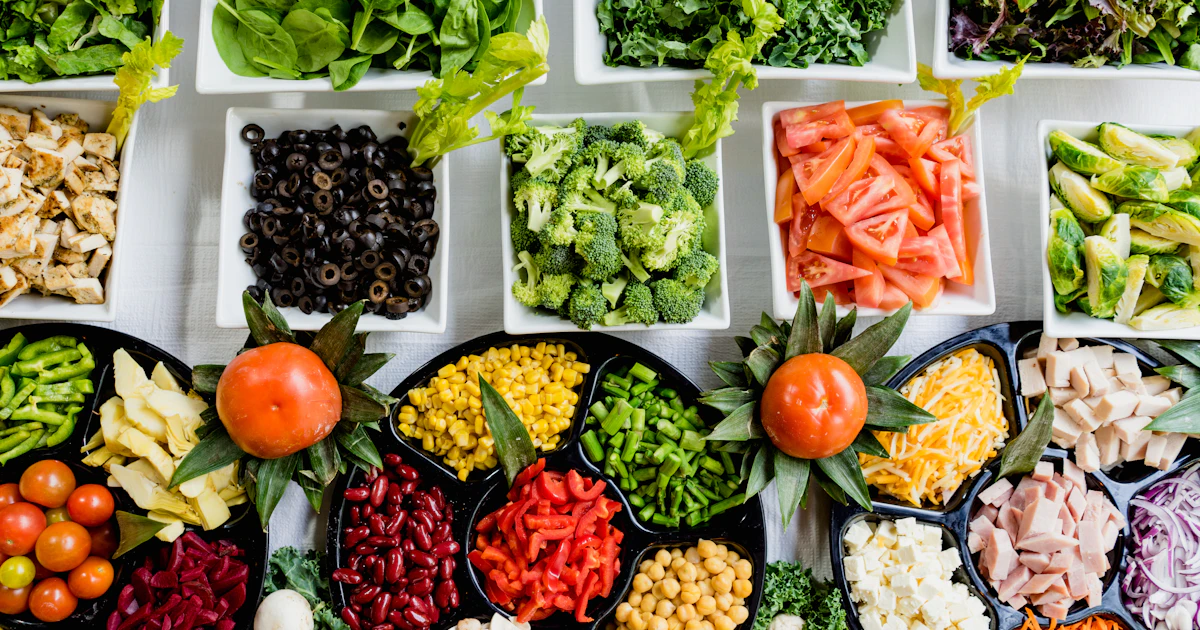
Food labeling is a greenwashing minefield. Understand how terms like 'natural', 'farm-fresh', and 'eco' are regulated under EU law.
Food Green Claims Landscape
Free automated scan — results in under 60 seconds.
This aspect of food greenwashing claims is particularly important for businesses to understand. The regulatory framework established by the ECGT directive creates clear obligations for how environmental information must be presented to consumers.
Industry analysis shows that awareness of these requirements varies significantly across sectors and company sizes. While large multinationals have typically begun compliance programs, small and medium-sized enterprises (SMEs) often lack the resources or awareness to prepare adequately. This creates both risk and opportunity.
Expert recommendations consistently emphasize the importance of proactive compliance rather than reactive correction. Businesses that wait until enforcement begins to address their green claims face compressed timelines, higher costs, and greater reputational risk compared to those who act early.
See also: Greenwashing by Industry Guide
Regulated vs Unregulated Terms
This aspect of food greenwashing claims is particularly important for businesses to understand. The regulatory framework established by the ECGT directive creates clear obligations for how environmental information must be presented to consumers.
Industry analysis shows that awareness of these requirements varies significantly across sectors and company sizes. While large multinationals have typically begun compliance programs, small and medium-sized enterprises (SMEs) often lack the resources or awareness to prepare adequately. This creates both risk and opportunity.
Expert recommendations consistently emphasize the importance of proactive compliance rather than reactive correction. Businesses that wait until enforcement begins to address their green claims face compressed timelines, higher costs, and greater reputational risk compared to those who act early.
Read next: Fashion Greenwashing
'Natural' Claims: No Legal Definition
Understanding food greenwashing claims is essential for any business operating in the European market. The concept has evolved significantly in recent years, particularly with the introduction of the EU's Empowering Consumers for the Green Transition (ECGT) directive, adopted in March 2024.
At its core, this involves examining how environmental claims are presented to consumers and whether they meet the new legal standards for truthfulness and substantiation. The directive specifically targets generic, unsubstantiated claims that have become widespread in marketing materials across all industries.
Before the ECGT, businesses had considerable freedom in how they presented their environmental credentials. Terms like 'eco-friendly', 'green', and 'sustainable' could be used without any requirement to provide evidence. This created an environment where misleading claims flourished, undermining both consumer trust and the efforts of genuinely sustainable businesses.
Organic Certification Requirements
This aspect of food greenwashing claims is particularly important for businesses to understand. The regulatory framework established by the ECGT directive creates clear obligations for how environmental information must be presented to consumers.
Industry analysis shows that awareness of these requirements varies significantly across sectors and company sizes. While large multinationals have typically begun compliance programs, small and medium-sized enterprises (SMEs) often lack the resources or awareness to prepare adequately. This creates both risk and opportunity.
Expert recommendations consistently emphasize the importance of proactive compliance rather than reactive correction. Businesses that wait until enforcement begins to address their green claims face compressed timelines, higher costs, and greater reputational risk compared to those who act early.
Learn more: Energy Greenwashing
Check Your Website for Greenwashing
Don't wait for ECGT enforcement in September 2026. Scan your website now for banned green claims.
Free Scan NowPackaging and Recyclability Claims
This aspect of food greenwashing claims is particularly important for businesses to understand. The regulatory framework established by the ECGT directive creates clear obligations for how environmental information must be presented to consumers.
Industry analysis shows that awareness of these requirements varies significantly across sectors and company sizes. While large multinationals have typically begun compliance programs, small and medium-sized enterprises (SMEs) often lack the resources or awareness to prepare adequately. This creates both risk and opportunity.
Expert recommendations consistently emphasize the importance of proactive compliance rather than reactive correction. Businesses that wait until enforcement begins to address their green claims face compressed timelines, higher costs, and greater reputational risk compared to those who act early.
Dive deeper: Cosmetics Greenwashing
ECGT and Food Marketing
This aspect of food greenwashing claims is particularly important for businesses to understand. The regulatory framework established by the ECGT directive creates clear obligations for how environmental information must be presented to consumers.
Industry analysis shows that awareness of these requirements varies significantly across sectors and company sizes. While large multinationals have typically begun compliance programs, small and medium-sized enterprises (SMEs) often lack the resources or awareness to prepare adequately. This creates both risk and opportunity.
Expert recommendations consistently emphasize the importance of proactive compliance rather than reactive correction. Businesses that wait until enforcement begins to address their green claims face compressed timelines, higher costs, and greater reputational risk compared to those who act early.
Related reading: Biodegradable Claim Regulations
Frequently Asked Questions
What is the deadline for food greenwashing claims compliance?
The ECGT directive enforcement date is September 27, 2026. EU member states must have transposed the directive into national law by this date, and businesses must comply from that point forward.
What are the penalties for greenwashing under EU law?
Penalties vary by member state but can reach up to 4% of annual turnover. Additional consequences include mandatory corrective advertising, injunctions, and reputational damage.
Which industries are most affected by the ECGT?
Fashion, food and beverages, energy, cosmetics, and financial services face the highest scrutiny. These sectors have historically made the most environmental marketing claims and will need the most extensive compliance programs.
Can small businesses use a free scanner for compliance?
Yes. Our free tier allows 3 scans per day with basic ECGT pattern matching. This covers the 28 high-risk terms tracked by our scanner.
Does the ECGT apply to non-EU companies?
Yes, if you market products or services to EU consumers. The directive applies to commercial practices that target EU consumers, regardless of where the company is headquartered.
How often should I scan my website for green claims?
At minimum, scan after every content update. For comprehensive protection, weekly automated monitoring is recommended. Business plans include daily scanning with real-time alerts.
Take Action Today
The ECGT (Directive (EU) 2024/825) has applied since 27 September 2026, so every environmental claim already live on your website is now assessed under the new rules. Use our free greenwashing scanner to get your compliance score in seconds.
Need ongoing monitoring? Check out our Pro and Business plans for automated weekly and daily scans with email alerts.